
 +7 (812) 4-673-673

Programming
Shipboard control systems require periodic software updates to comply with new international standards, eliminate vulnerabilities, and add new functionality.
Why Choose Us
Why Choose Us-

International Quality Standards
-

We Service All Types of Vessels
-

Complete Technical Documentation
-

Warranty and Post-Warranty Service
Why Is Shipboard Equipment Programming Necessary?
Why Is Shipboard Equipment Programming Necessary?Programming of shipboard equipment may be required for various reasons, such as reflagging, software updates, modernization, and configuration of equipment and systems on board.
Scope of Services
Scope of Services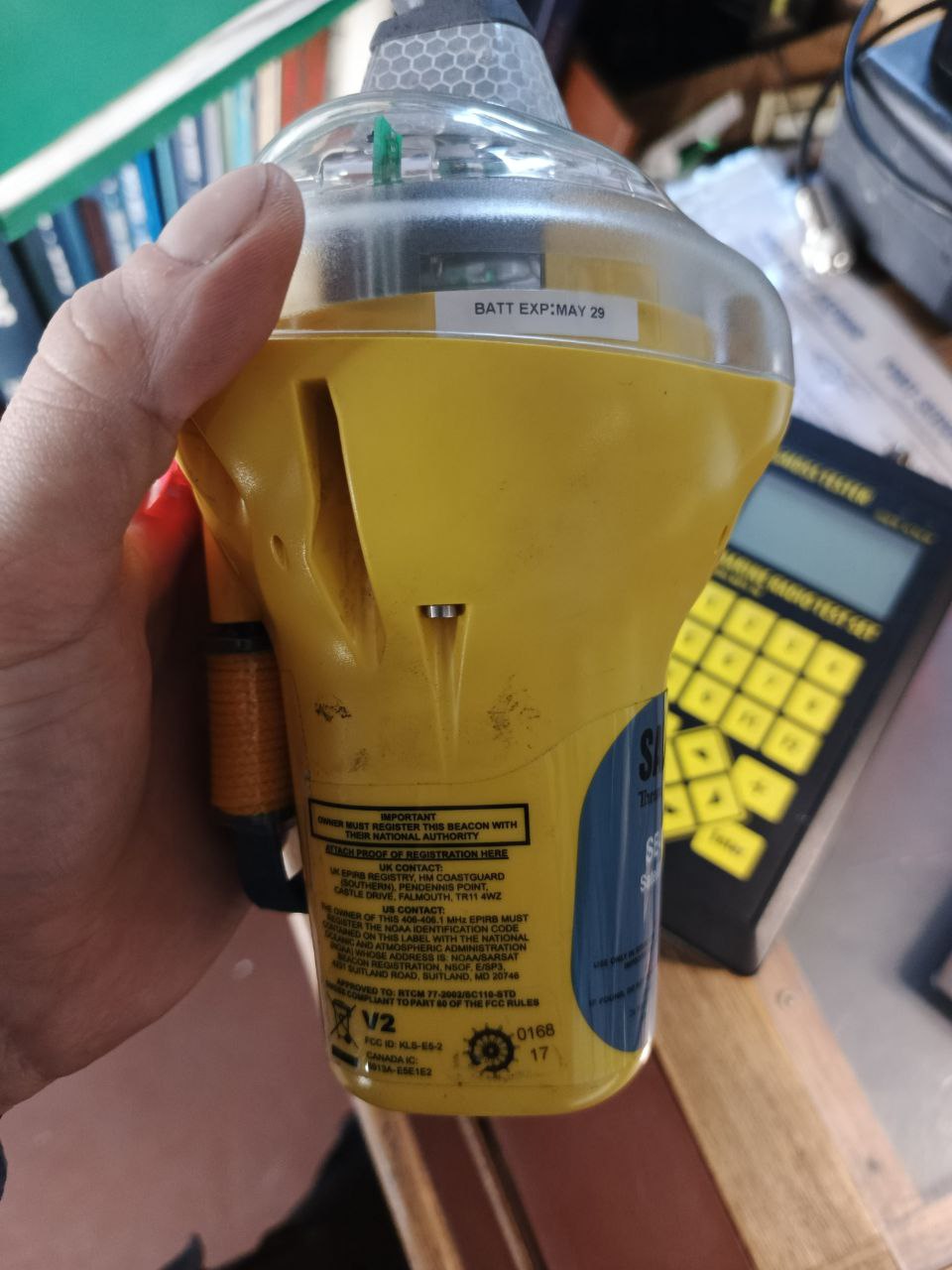
Programming of shipboard equipment during reflagging includes updating or reconfiguring systems and data of radionavigation equipment in accordance with the requirements of the new flag state and its classification society. Changes are required for the MMSI number, vessel call sign (CALL SIGN), and the mobile number of the INMARSAT-C GMDSS system. request a project

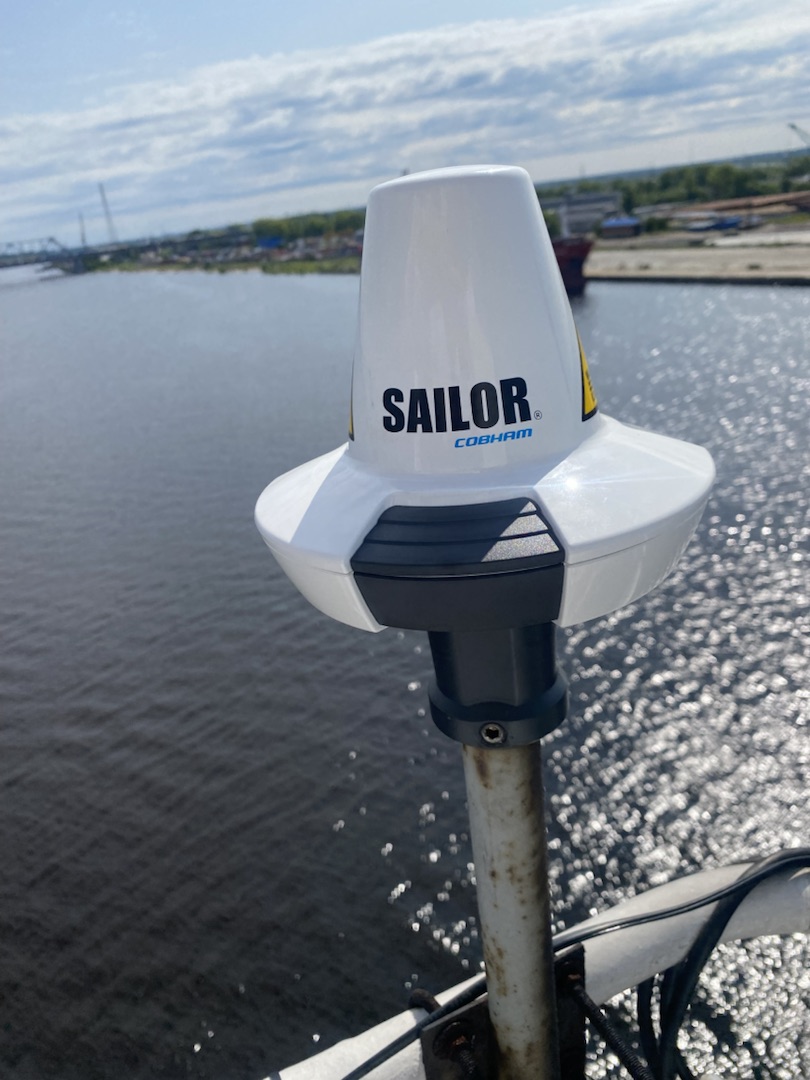
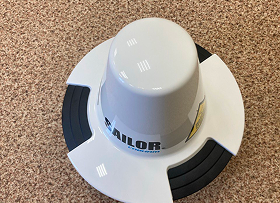
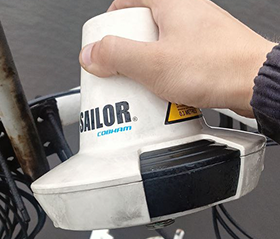
Cloning of SAILOR 3027 Antennas
In Russia, all service representatives have lost the ability to clone SAILOR 3027 antennas, but we are able to perform cloning of your antenna. request a project
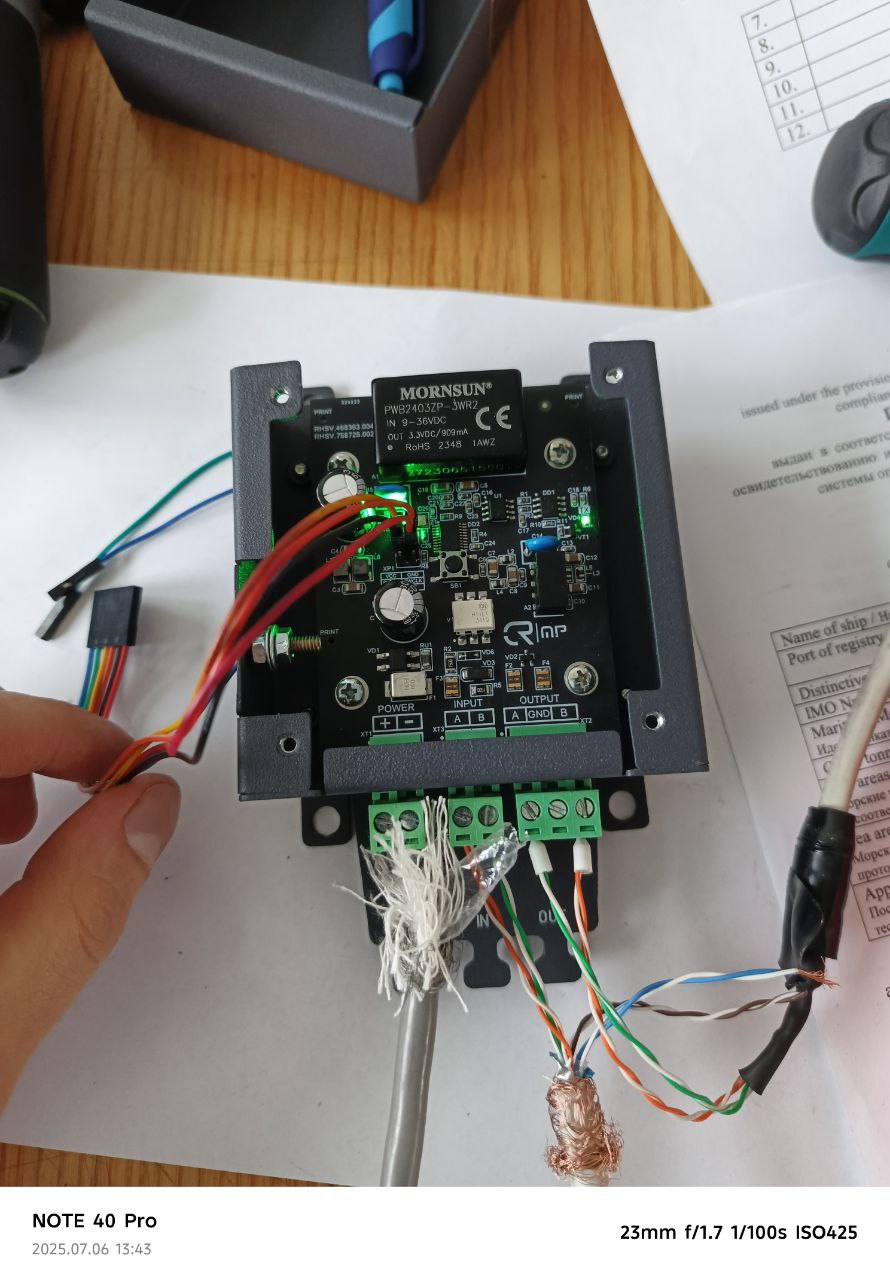
Modern shipboard electronics often require integration with legacy systems. Converters act as a linking interface, allowing new equipment to connect to existing systems. request a project
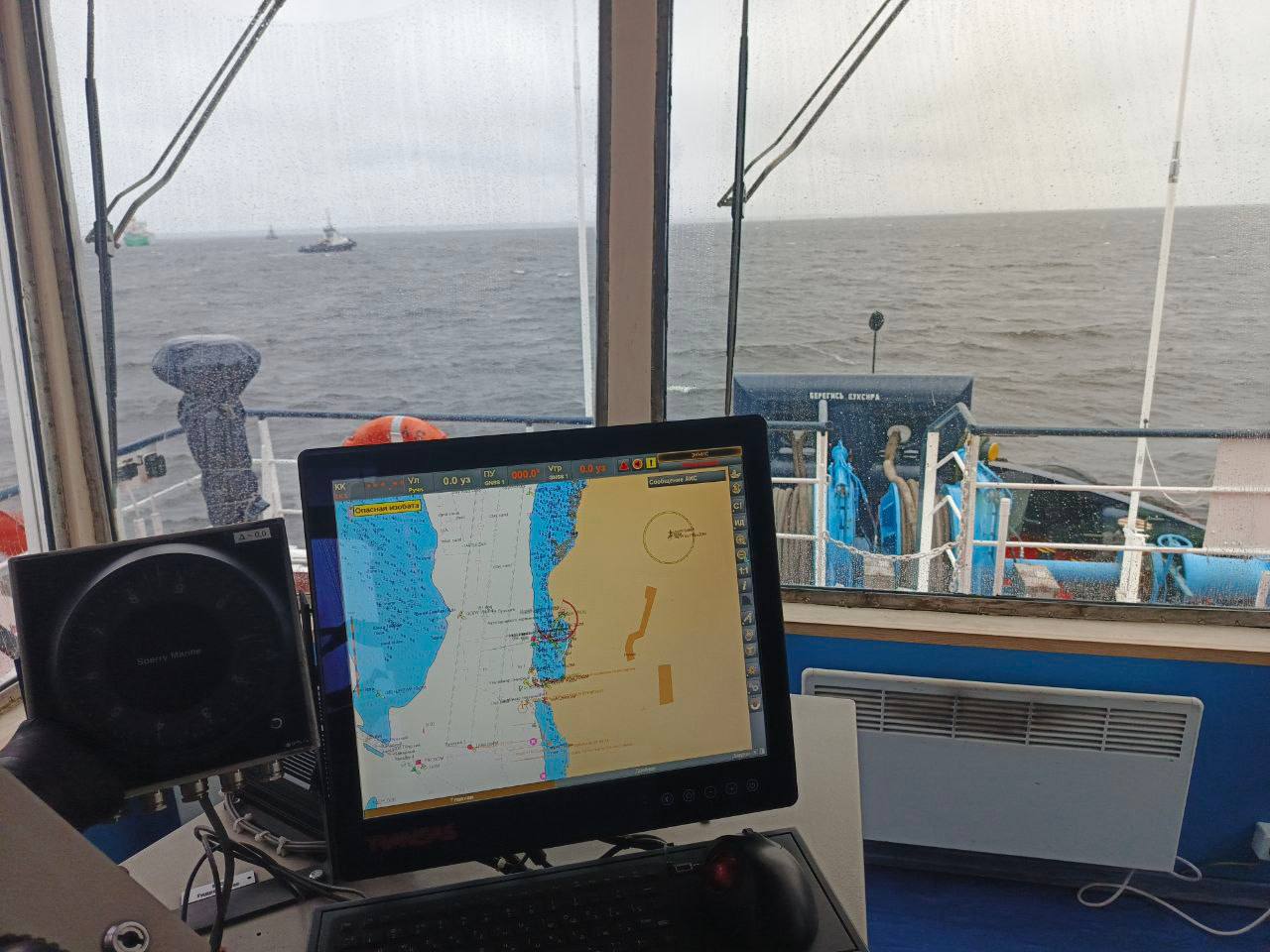
Software restoration and update (SW) is a set of critical activities aimed at maintaining the operability, safety, and efficiency of a vessel’s electronic systems in accordance with modern standards and requirements. These processes ensure proper equipment functioning and prevent system failures.
Software updates involve downloading and installing new versions of software packages, which may include bug fixes, functionality improvements, and performance enhancements.
Software restoration is the process of returning a system or equipment to a fully operational state after a failure, malfunction, or data corruption. request a project
Software updates involve downloading and installing new versions of software packages, which may include bug fixes, functionality improvements, and performance enhancements.
Software restoration is the process of returning a system or equipment to a fully operational state after a failure, malfunction, or data corruption. request a project

Configuring traffic priority for satellite equipment on board a vessel involves applying QoS (Quality of Service) technology, which allows allocation and guaranteed bandwidth for critical data, such as navigation systems, command communication, or control systems, by lowering the priority of less important data. The configuration is carried out through specialized network equipment (routers, gateways, vessel traffic management systems) installed on the vessel. An engineer sets rules that determine which types of data (based on IP addresses, ports, applications, or other parameters) should have high, medium, or low priority. request a project
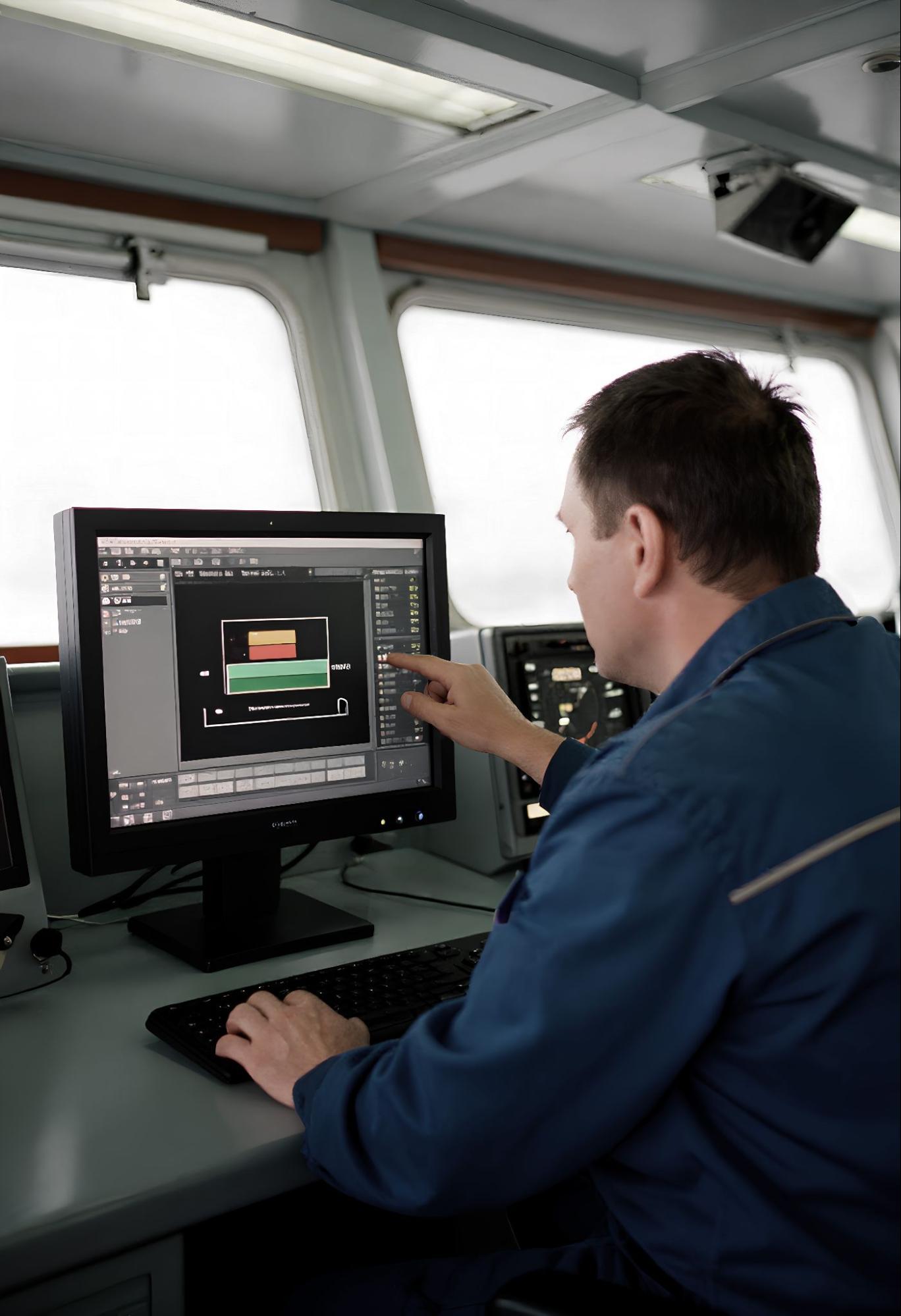
Configuring a computer network on board a vessel is the process of creating and ensuring the operation of internal and external networks on the ship for data transmission, voice traffic, and communication with shore facilities. request a project
Examples of Services Provided
Examples of Services Provided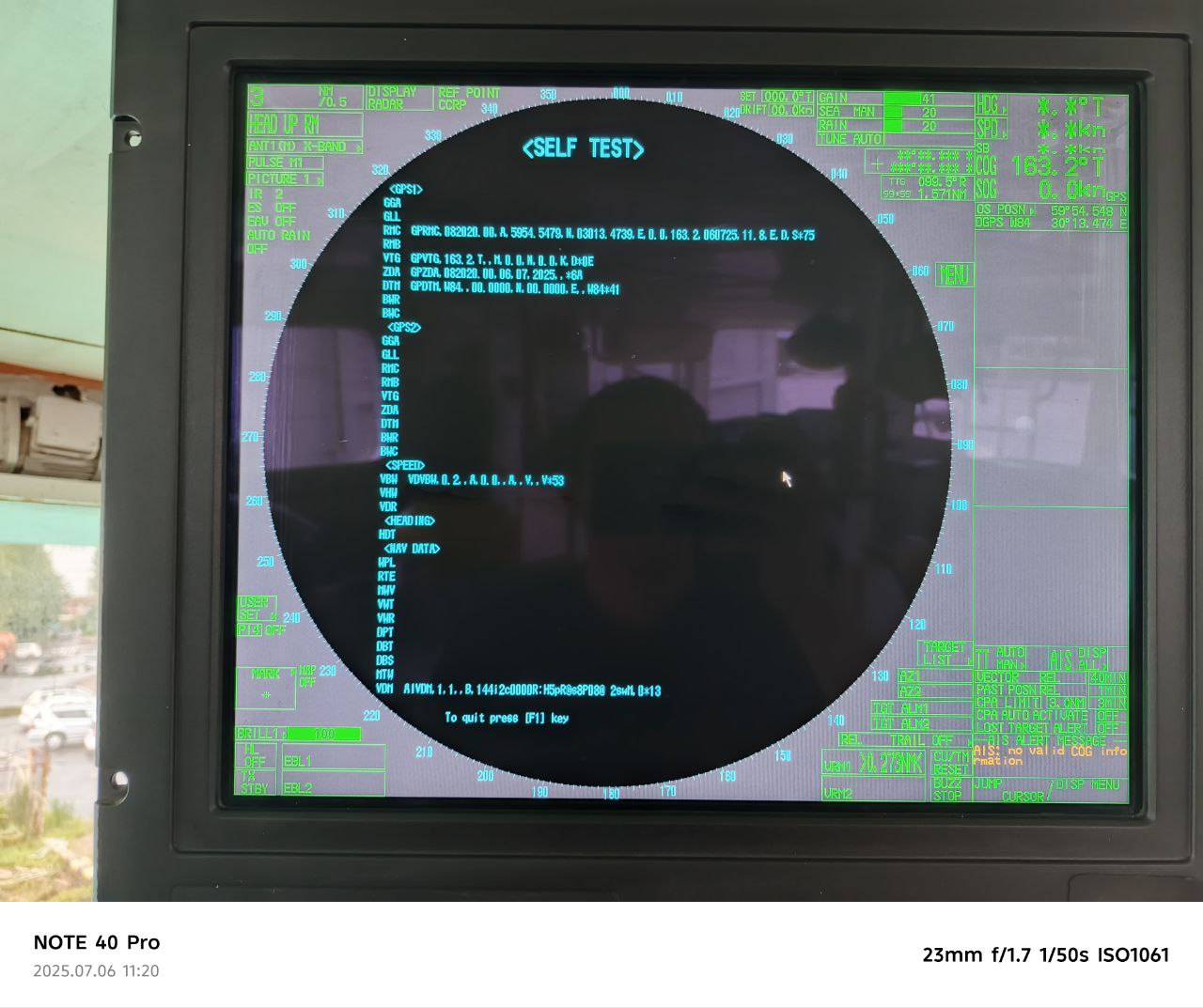
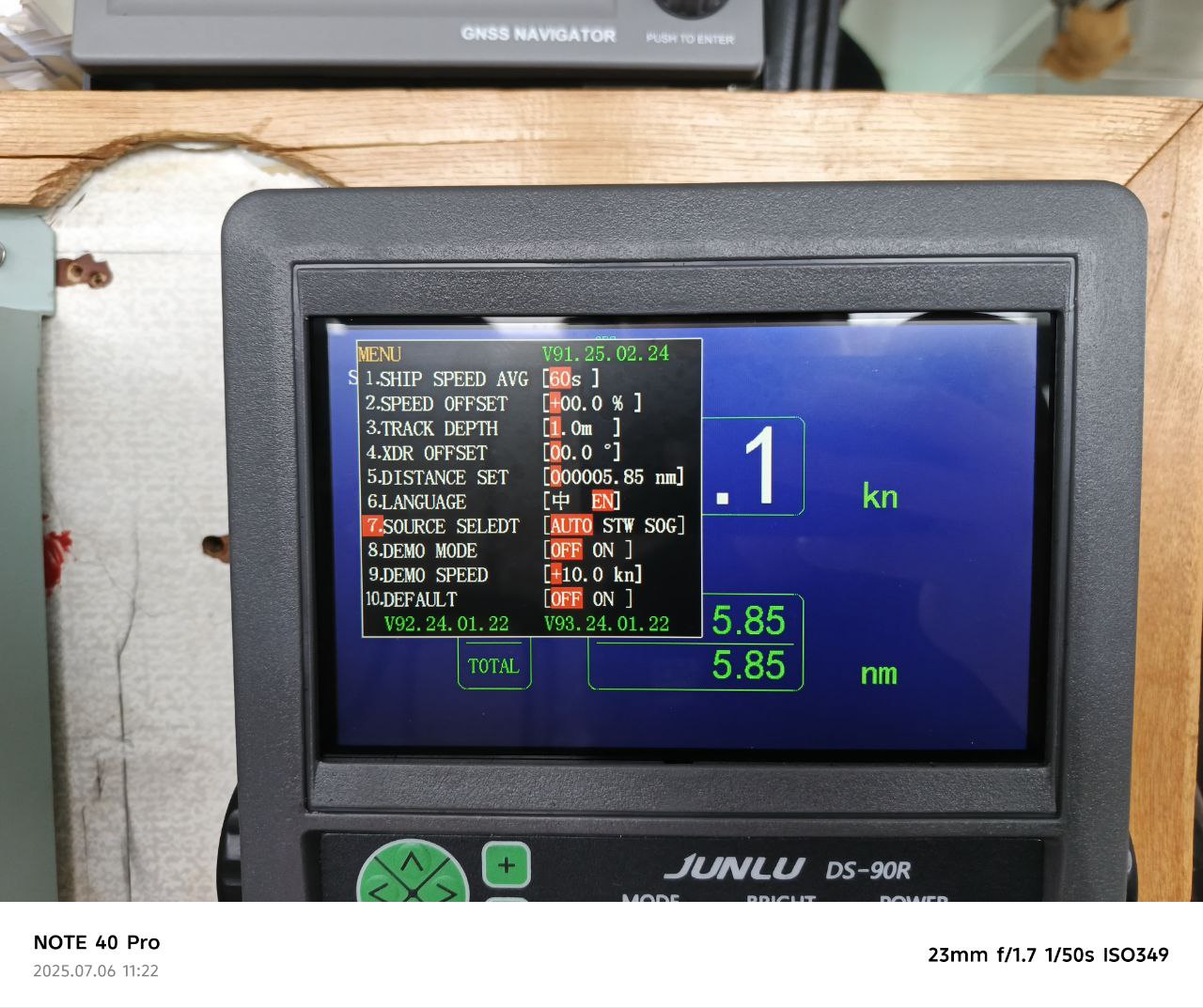
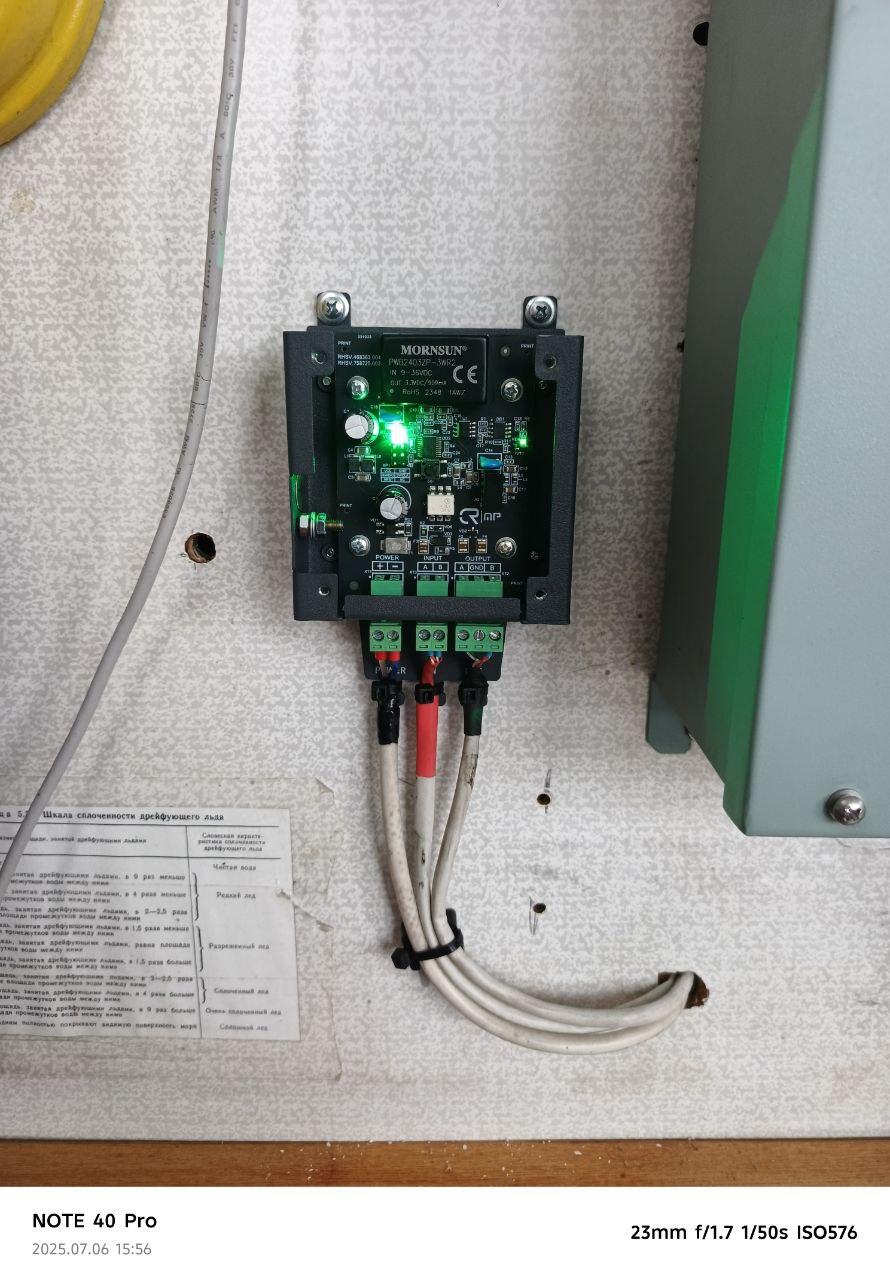
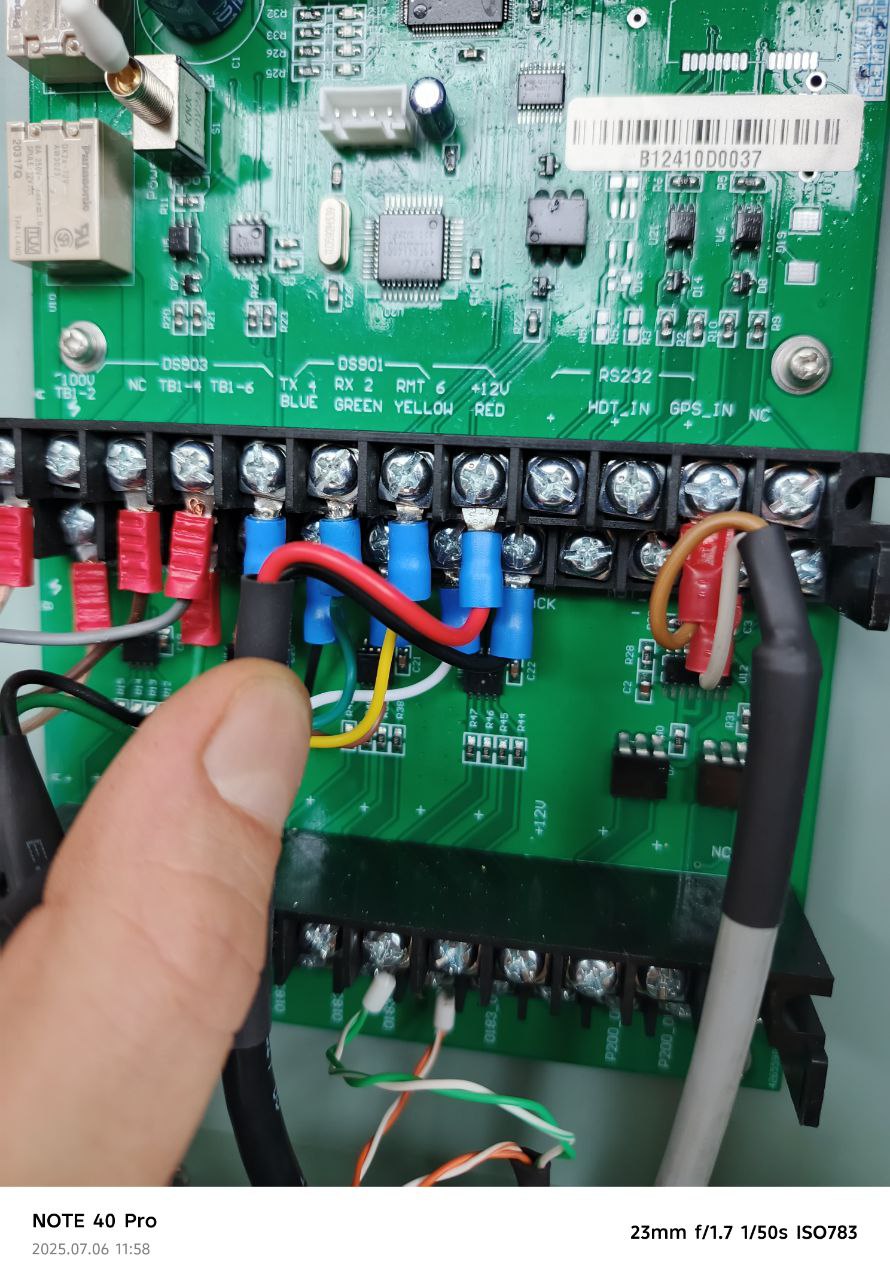
Approvals of the Company – Communication and Radionavigation
Approvals of the Company – Communication and Radionavigation



Project Production Request
The completed application form must be attached without fail.